AI social media post generator that knows your brand.
Apaya learns your brand from your website, then generates captions, visuals, hashtags, and scheduled drafts for every platform. Ready to review and publish.
Try it for 3 days • $0 today • Cancel anytime
Plans from $69/month, billed monthly. Annual billing available. See plans and billing details.
Publishes everywhere your customers go
You don't have time to create social media content.
You have a business to run. Writing captions, designing graphics, scheduling posts, and staying consistent across platforms takes hours you don't have.
How Apaya generates your social media posts.
Add your website. AI builds your brand framework.
Paste your URL and Apaya reads your brand voice, audience, tone, and visual identity. Upload logos, photos, and assets to make it yours.
Connect your social media accounts.
Link Instagram, Facebook, LinkedIn, X, and TikTok so Apaya can schedule and publish directly to your profiles.
We generate posts. You review, edit, and publish.
Apaya creates captions, visuals, and hashtags in your brand voice. Review everything, edit anything, and publish when you're ready. Or let it run automatically.
Every post below was created by AI.
Examples of captions and graphics created with Apaya. See how each post uses the business's content and brand.

Choosing a new HVAC system in Berks County can feel like a brand popularity contest. But brand names matter less than how well the equipment fits your home and how it will be serviced over time. Local factors often carry more weight: the age and size of your house, the contractor's experience with setups common in our area, and how quickly they can respond when something breaks in your municipality. Before you make a decision, look beyond the name on the box. Read the full breakdown on the BerksConnect blog and see what local homeowners should actually be weighing. Read the full guide: https://berksconnect.com/blog/home-services/does-hvac-brand-matter


If you have been struggling to fall asleep or stay asleep for weeks, you may have tried every remedy. But persistent insomnia could be linked to anxiety, depression, or another mental health condition. Understanding the root cause is key to lasting relief. True Calm Psychiatry offers comprehensive evaluations to explore how your sleep, mood, and mental health connect. We then create a personalized treatment plan that may include medication management and practical strategies to support healthier sleep. Our telehealth services are available in Washington, Oregon, and Colorado. We accept Cigna and Anthem insurance, and we also offer affordable self-pay options with no surprise fees. You do not have to keep losing sleep. Schedule your evaluation and get the support you need to rest again. Book your evaluation


No two homes are alike. A 1980s Denver bungalow has different plumbing needs than a brand-new build or a home with radiant heat. That's why we don't offer a one-size-fits-all approach. Our Master Plumber co-owner takes time to assess your home's age, layout, and your goals before recommending a plan. Whether it's a repair, remodel, or new construction, we design solutions that fit your actual structure and budget. It's honest, tailored work that stands the test of time. That's the Waters of Life difference. Get in Touch


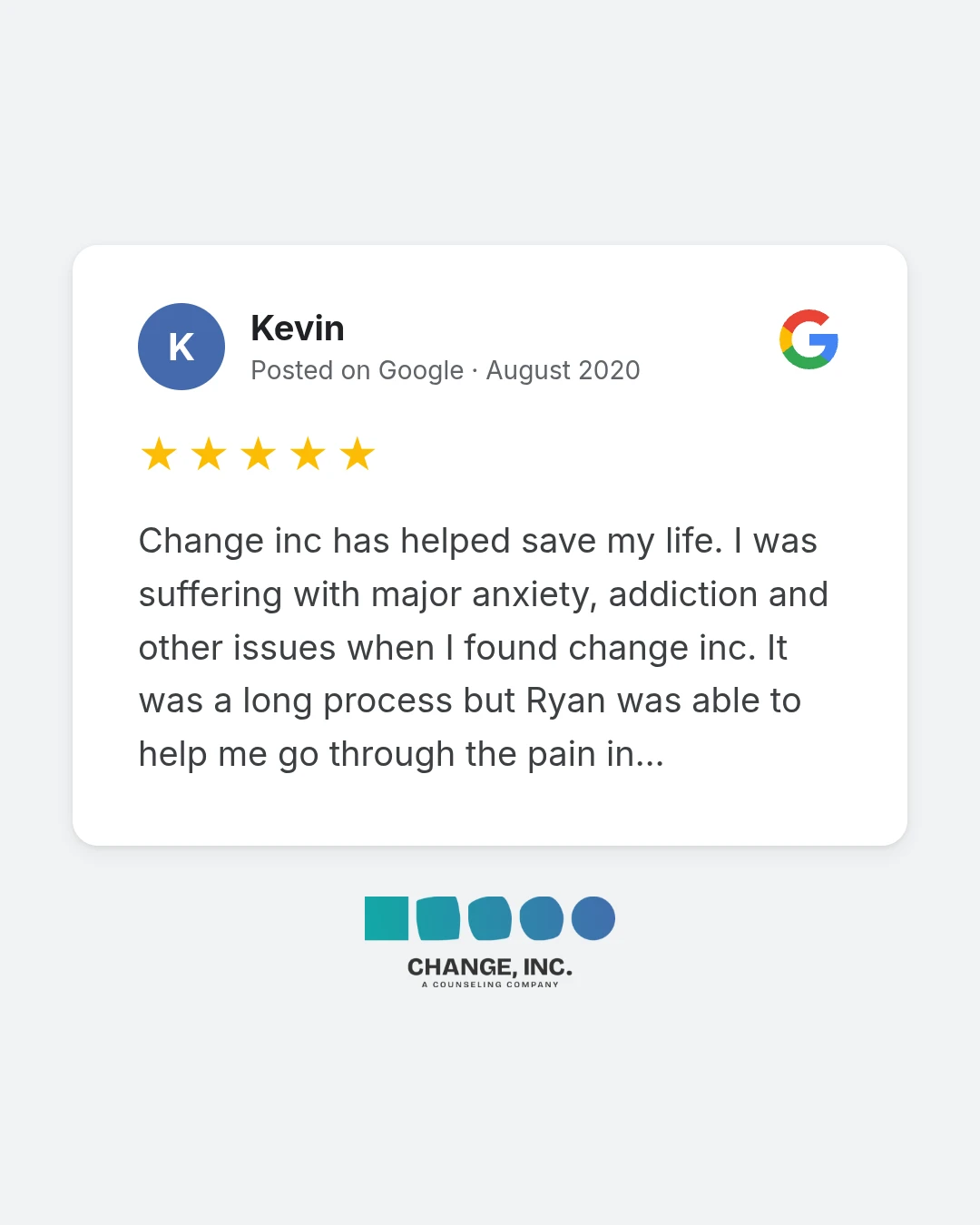
It takes courage to reach out when life feels heavy. Kevin found that courage, and it made all the difference. Kevin came to us struggling with anxiety, addiction, and other issues. Through a long process with his counselor, he found real healing. He and his wife also turned to us for couples counseling, and they worked through their issues together. If you're ready to face the pain and find real change, reach out. We're here for you.

You finally sit down to answer emails…and your preschooler appears every 30 seconds asking for something new to watch. Random YouTube, loud ads, and weird videos make it worse, and the guilt is real. Kokotree gives you a safe, ad-free preschool learning app that actually holds their attention, teaches ABCs and numbers, and buys you reliable 15–20 minutes of peace. Press play, get a break, no guilt.


Compliance evidence is sensitive. It should not travel outside the EU. Euraika Aegis is 100% EU-based, designed for GDPR, and built around digital sovereignty. Connect your systems, monitor ISO 27001, NIS2, GDPR, and DORA, and keep your audit trails under European control. Clear architecture. Concise dashboards. Compelling assurance. Credible proof. This is compliance intelligence aligned with European values, not just another reporting tool.

Many dog owners are surprised when we gently check paws, wrists, elbows, ribs, and hips during an animal chiropractic visit. If a hip is tight or a wrist does not move well, your dog will change how they walk, which often makes their back work harder. By gently assessing and adjusting those extremity joints, we are not just helping the spine, we are working with the whole neuro-musculo-skeletal system. If your dog limps, toe-drags, or avoids stairs, a whole-body chiropractic check may give you some real answers.


Somewhere between the big moments, you get this little burst of joy with your closest friends. It's the part of the day where you feel grateful for the support of the people who know you better than anyone. Photography by NP Productions


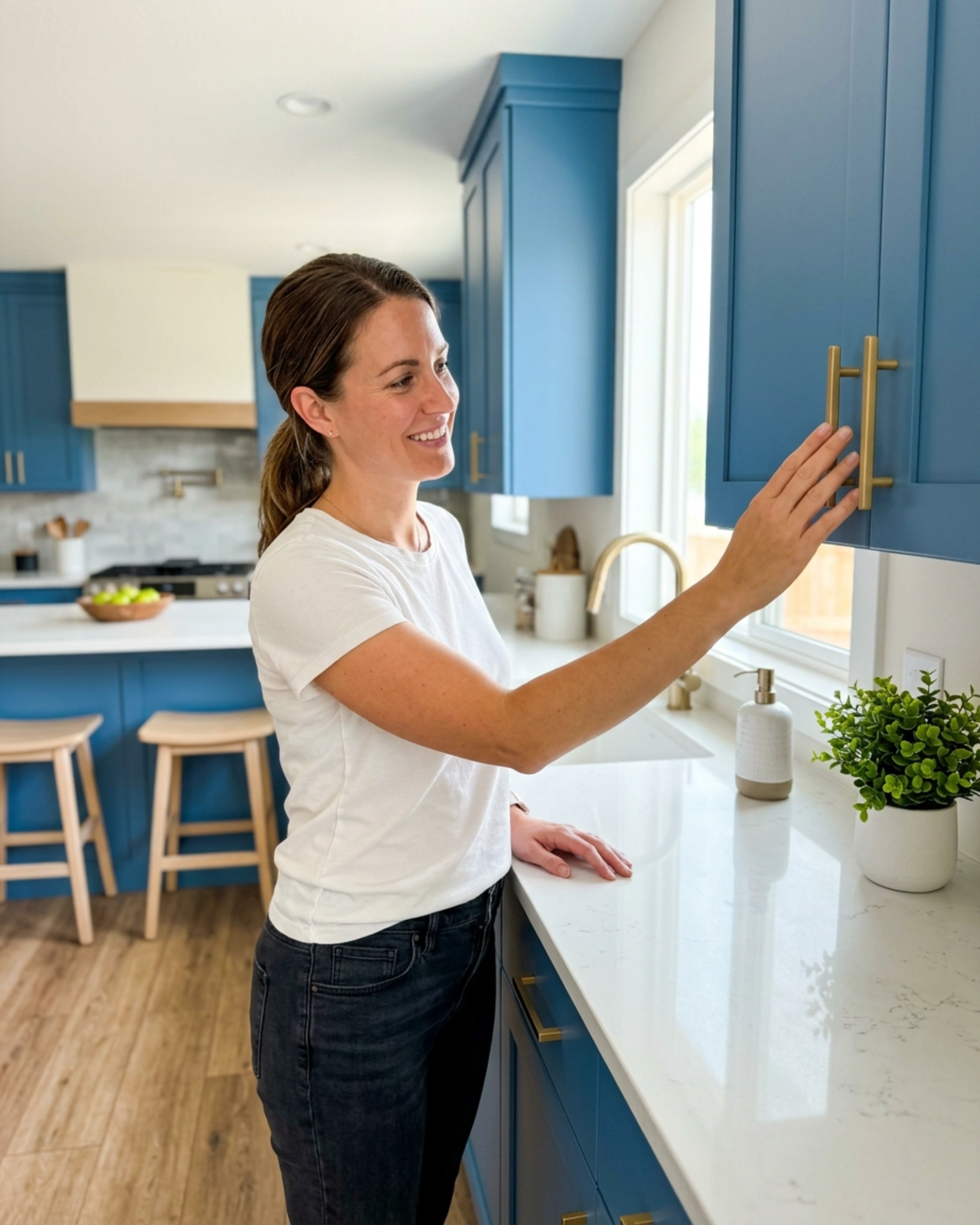
DFW homeowners with shiny orange oak cabinets often try a weekend paint kit, then end up with streaks, visible grain, and peeling doors. Those factory finishes need more than a quick scuff. Proper cabinet painting means degreasing, sanding, filling heavy grain if needed, priming with the right bonding primer, then spraying or rolling multiple thin coats. Painter1 of DFW removes doors, labels hardware, sets up a contained spray area, and uses cabinet‑grade products so your old oak looks like new built-ins, not a DIY attempt. If your cabinets are glossy or very grainy, ask us to walk you through the prep steps we would use on your specific doors before you decide.

One of the simplest monk life lessons I still come back to is this: settle into one honest sensation at a time. In Vipassana, we train steady awareness without trying to “get rid” of anything. You might feel the gentle rise and fall of the belly on the inhale and exhale. Just that. Again and again. Not forcing calm, just keeping company with what’s here. And sometimes the smallest moments become the doorway. Like hugging a dog and actually feeling it: Warm fur. The weight of their body leaning in. Your hands making contact. One breath. Then the next. No big spiritual idea. Just direct experience. A quiet kind of love for all creatures. A soft appreciation for this moment, exactly as it is. When attention stays with something simple and real, the nervous system often starts to trust: Nothing to do right now. We’re safe. The breath softens. The shoulders drop not because you made them, but because they finally got permission. This is the kind of practical settling we practice in my mindfulness training steady, repeatable, built for real life. If you want support learning this, we can practice it together.


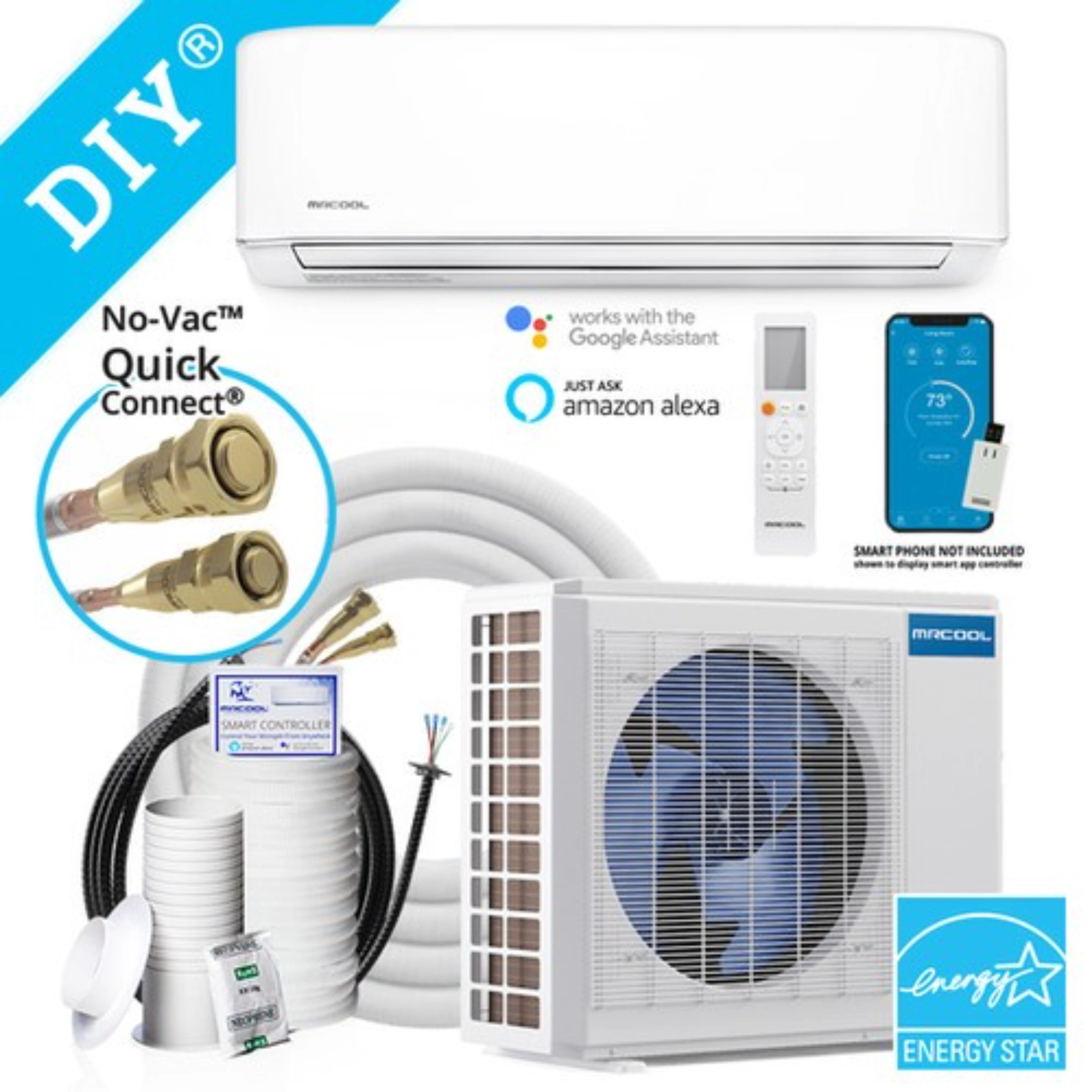
A ductless mini-split can be a smart DIY project—if it’s sized and set up right. MRCOOL® 4th Gen DIY® makes install easier with pre-charged Quick Connect® lines, app control, and Energy Star® efficiency. Not sure what size you need, where to mount it, or how to wire it safely? A/C Works LLC can help from start to finish—or just check your work. Local, honest pricing. Call/text us 24/7 in Stroud, Cushing, Perkins, Chandler, and Bristow.

Excellence in Every Connection


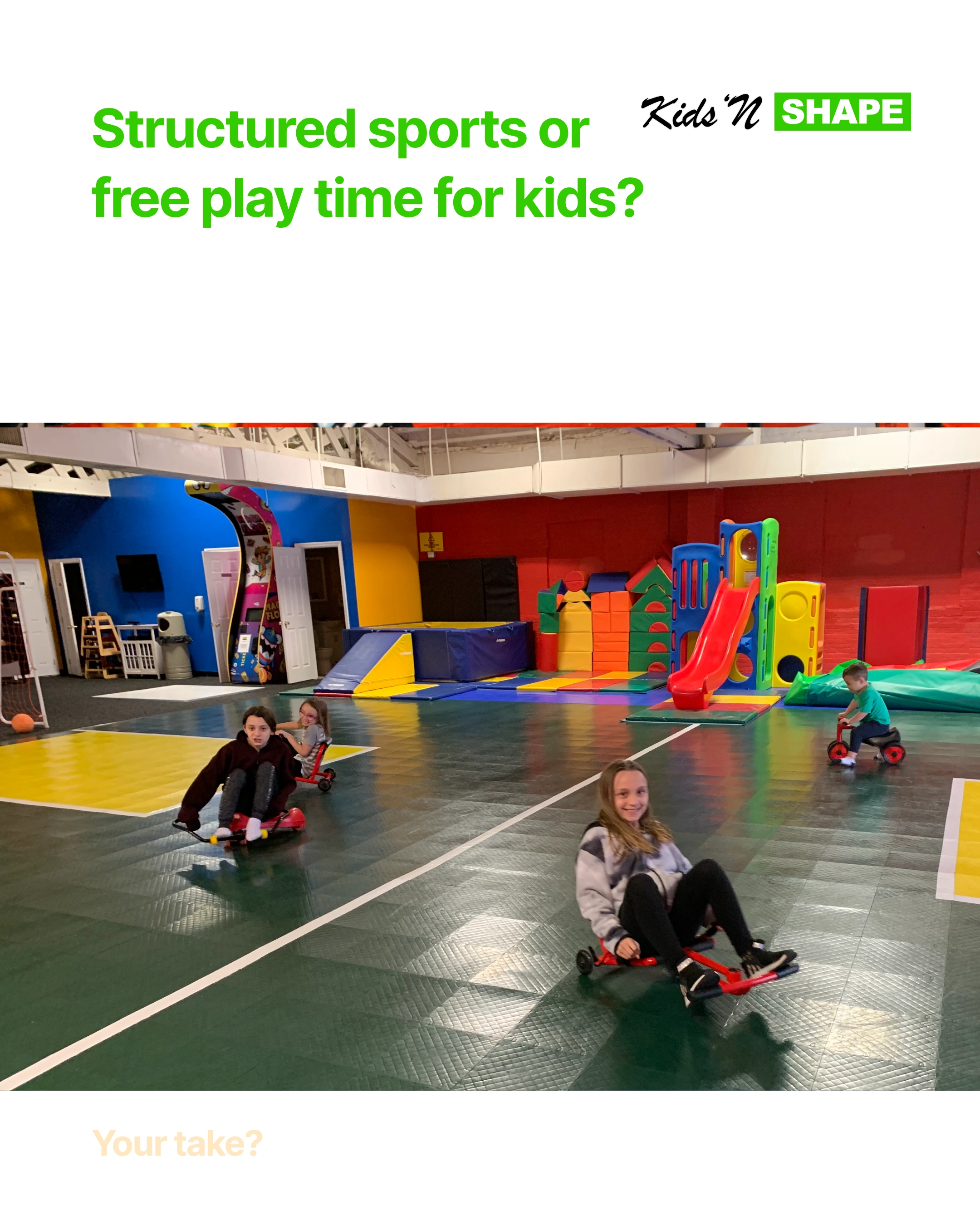
Some families love the routine of teams, practices, and schedules. Others feel kids already follow enough rules all day and need time to just run, climb, and explore however they want. If you had to pick one for your child right now—more organized sports or more open play—which way are you leaning?

The vision is to be the trusted, go-to Realtor in Wichita, Kansas when you are ready to sell a home or buy your next one. By focusing on premium customer service, low-volume attention, and a long Wichita track record, the aim is to become your dependable contact whenever real estate decisions come up. If you don’t yet have an established, trusted Wichita Realtor, this is designed to fill that role.


We emphasise a concierge-like, detail-oriented approach without public fanfare. No service lists broadcasted; arrangements are made privately and executed quietly. Your experience is one of calm, efficient care rather than transactional property management.

Every post sounds like your business, not like AI.
Most AI tools start with a blank prompt and guess. Apaya starts with your brand.
- Your website teaches the AI
- Apaya reads your site and extracts your brand voice, messaging, audience, and tone before it writes a single word.
- Your brand profile shapes every post
- Industry, selling points, customer pain points, and calls to action are built into every caption and headline.
- Your visuals stay consistent
- Logos, brand colors, and templates are applied automatically so every post looks like it came from your team.
- You stay in control
- Nothing goes live without your approval. Edit captions, swap images, regenerate anything, or approve and publish.
More than a caption generator.
Most AI tools give you a caption and stop. Apaya generates every type of content your social media needs.
Every type of post your feed needs
Use what you already have
And it goes beyond writing
- A full content queue, not one post at a time
- Apaya generates a week or two of content in one session, organized into campaigns.
- Scheduling and publishing built in
- Posts go from draft to published without leaving Apaya. No exporting, no separate scheduler.
- Every platform from one dashboard
- Instagram, Facebook, LinkedIn, X, and TikTok. One workflow, one set of posts.
One AI post generator for Facebook, Instagram, LinkedIn, and X.
You don't need a separate generator for every network. Apaya writes each post for the platform it's going to, from one brief, in your brand voice.
AI Facebook post generator
Facebook is where most local businesses still get found, and it punishes a page that goes quiet. Apaya's Facebook post generator writes captions that read like a person wrote them, pairs them with a branded image, and publishes on a schedule your page can sustain.
- •Captions written at Facebook length, with a plain call to action instead of a wall of hashtags
- •Branded images and carousels generated for every post, logo applied
- •Publishes straight to your Facebook Page after you approve
AI Instagram post generator
Instagram is a visual feed first and a caption second. Apaya's Instagram post generator builds the graphic and the caption together, adds a researched hashtag set, and turns longer ideas into carousels.
- •Square and portrait graphics in your colors and fonts, no design work
- •Instagram captions with hooks, line breaks, and hashtags picked for your niche
- •3-slide and 5-slide carousels for tips, lists, and before-and-after posts
AI LinkedIn post generator
LinkedIn rewards a point of view and a steady cadence, and most business owners have the first but not the second. Apaya's LinkedIn post generator turns what you know into text posts and document-style carousels that sound like you, not like a press release.
- •Longer-form LinkedIn posts with a first line built to stop the scroll
- •Company Page and personal profile publishing from the same campaign
- •Professional tone set by your Brand Framework, not a generic template
AI X post generator
X moves fast and forgives nothing that reads like marketing. Apaya's X post generator writes short, direct posts that fit the character limit, keeps them on brand, and schedules them so your account stays active without you living in the app.
- •Posts trimmed to X length with the point in the first line
- •Optional image attached so the post takes up space in the feed
- •Same approval step as every other platform, nothing goes out unseen
Also publishes to TikTok, Pinterest, and Google Business Profile. Review and approve each post, or enable automatic publishing for campaigns you choose.
Results from businesses like yours.
Your social media could look like this too.
"We went from posting once a week — when we remembered — to daily thought leadership on LinkedIn and Instagram."
 Abhisek Sharma Owner at SCP Technologies
"I used to spend my Sunday nights writing posts for the week. Now Apaya handles our customer stories and promotions automatically."
 Sarah Chen Owner at BerksConnect
"Now the AI drafts everything and my team just refines."
 Mike Patel Director at Resultris Agency
"The posts are consistent and sound like us."
 Emma Lopez Manager at Toperty
"I'm a one-person marketing team. Before Apaya, I'd go weeks without posting. Now we publish daily across three platforms."
 Jordan Kim Director at Doors4Jobs
Ready to see it work for you?
Start Your 3-Day Free TrialTry it for 3 days • $0 today • Cancel anytime
Get started with Apaya.
Plans from $55/month. Start with a 3-day free trial — cancel anytime.
- AI content generation in your brand voice
- Automated scheduling and publishing
- Brand framework + social analytics
- Choose review or automatic publishing for each campaign
Self-serve plans
From $55/mo
Billed annually. Monthly billing available.
Start Your Free TrialTry it for 3 days • $0 today • Cancel anytime
See all plans and compare →AI Post Generator FAQs
Common questions about Apaya's AI social media post generator.
How does Apaya learn my brand voice?
Can I edit the posts before publishing?
Does Apaya generate images too?
Which social media platforms does it support?
Can I generate posts from my website content?
Can I use my own templates, photos, or videos?
Does it publish automatically?
Ready to generate your first posts?
Give Apaya your website. Get back on-brand posts, scheduled and ready to publish.
Start Your Free 3-Day TrialTry it for 3 days • $0 today • Cancel anytime