Stock Photos & AI Images on Social Media: What's Allowed
Written by: Tim Eisenhauer
Last updated:
The easiest way to keep your social media profiles active.
Learn more about Apaya →
“Sincerity is everything. If you can fake that, you’ve got it made.” — George Burns
Is it okay to use stock photos on social media in 2026?
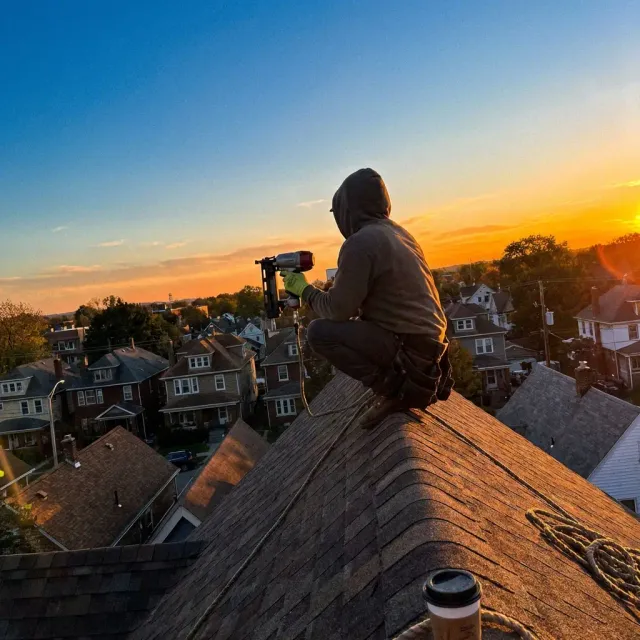
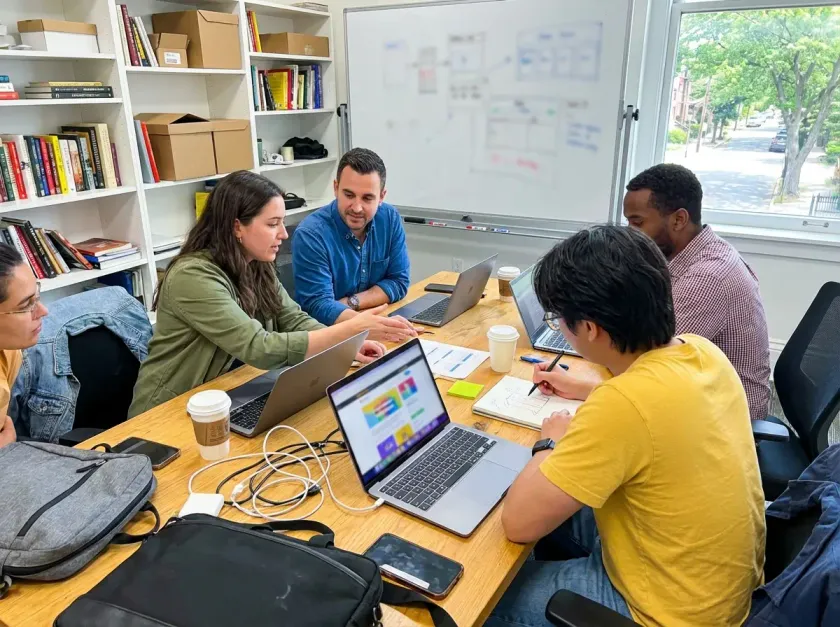
Yes. If you have a proper license, stock photos are allowed on every major social platform and are widely used by businesses of all sizes. The bigger question is whether they’ll hurt your engagement — and the answer is: probably less than not posting at all.
Verizon’s 2025 SMB survey found 54% of small businesses struggle to keep online content fresh, while 76% agree social media has a positive impact on business performance. That gap — between knowing social media matters and struggling to post consistently — is exactly where stock and AI visuals help most.
What are the rules for AI-generated images on social media?
Every major platform allows AI-generated images but increasingly requires transparency. Meta labels AI content with “Made with AI” tags. TikTok requires creators to label realistic AI-generated images, audio, or video. YouTube requires disclosure when synthetic content could be mistaken for real. LinkedIn and X prohibit synthetic media that’s deceptive or misleading.
The rules aren’t “don’t use AI” — they’re “don’t pretend AI content is something it’s not.” If you’re using AI-generated visuals for educational posts, promotional graphics, or informational content — not faking customer photos or before-and-after results — you’re fine on every platform.
A landscaper signed up for Apaya last month. He didn’t believe the AI could generate photos that looked like his work.
me: Where are you located?
him: Central Florida.
me: What kind of work do you mostly do?
him: Lawn maintenance, some hardscaping. Pavers, retaining walls.
I put it into the AI and generated a few photos. Showed him on the screen.
him: … Yeah, that kind of does look like the work that we do.
That was the whole conversation. He wasn’t agonizing over authenticity or what some marketing blog thinks about stock photos. He wanted to know: does this look like my business? It did. So he used it.
Before Apaya, I ran Kokotree, an educational app for preschoolers. We had great content to share — learning activities, developmental milestones, stuff parents wanted to see. But we’re a software company. Our product lives on screens. I wasn’t going to photograph my laptop.
I spent time designing posts in Illustrator. I opened Shutterstock, found photos of kids learning, put them in Canva, added text, scheduled them. It worked. People liked the posts. They commented. They clicked through. Nobody once asked where the photos came from.
Stock photos are how advertising works. Watch any TV commercial tonight. Flip through a magazine. Look at any web ad. They’re all using stock photography. A plumber posting a stock photo on Instagram is doing the same thing every brand in America does in every medium. You’re selling a product. This is how you sell it.
So here’s my answer: yes. Stock photos and AI images are fine. With some rules.
The real problem: 76% of businesses believe social media works, and most of them still don’t post consistently
Before we get into stock photos, let me show you where the problem lives.
Verizon surveyed small business owners in 2025. Two numbers jumped out:
- 54% of SMBs struggle to keep online content fresh and keep up with social media trends. (Verizon)
- 76% of SMB decision-makers agree social media has a positive impact on business performance. (Verizon)
Three out of four business owners think social media works. More than half can’t keep up with it. Sound familiar?
The latest social media marketing statistics make it worse: 5.66 billion user identities on social media. People spending 18+ hours a week on these platforms. 41% of Gen Z going to social media before Google when they need information. The audience is there. The business owners are not.
Why? Not laziness. Creating “authentic” content every day is a full-time job. These people already have a full-time job. It’s running their business.
So when someone asks me “is it okay to use stock photos?” — what they’re asking is: “Can I post something without spending three hours creating it from scratch?”
Yes. The alternative — posting nothing — is worse than any stock photo ever taken. Including the one with the handshake in front of the sunset.
Who’s telling you to “be authentic” — and what are they selling?
Before we go further, look at who’s producing the research on “authenticity.”
There are two big data points everyone cites when arguing against stock and AI images:
From Getty Images’ VisualGPS research:
- 98% of consumers say “authentic” images and videos are pivotal in establishing trust. (Getty Images)
- Nearly 90% of consumers want transparency around AI images. (Getty Images)
From Sprout Social’s consumer research:
- 55% of social users are more likely to trust brands that commit to publishing content made by humans. (Sprout Social)
- 52% are concerned about brands posting AI-generated content without disclosing it. (Sprout Social)
Getty Images is the world’s largest stock photo company. A study from Getty saying “consumers want authentic images” is Getty saying “buy our images.” Sprout Social sells social media management software. A study saying “consumers trust human-made content more” encourages businesses to buy more tools. Both companies benefit from the conclusions their research produces.
Is the data wrong? Probably not. People probably do prefer authentic content when they can get it. But hold those numbers loosely. The intensity is conveniently favorable to the people paying for the research.
And here’s the thing nobody mentions: none of this research says “don’t use stock photos.” None of it says “don’t use AI images.” It says be transparent. Don’t fake reality. Those are very different statements. And not one of them says “better to post nothing than post with a stock photo.”
What every major platform allows (and requires) in 2026
I went through the policies so you don’t have to. The short version: every platform allows stock and AI images. None of them ban it. And why would they? These companies care about one thing: keeping you on their platform as long as possible. You are the product. They need people posting content. If you stop posting, their business dies. They want you to use stock photos. They want you to use AI images. They want you to post anything, as often as possible. The only rule is don’t be deceptive about it.
Meta (Instagram / Facebook / Threads)
Meta’s approach is labeling, not banning. They’ve rolled out “Made with AI” tags that get applied to AI-generated content. If your post gets a label, that’s fine. It’s not a penalty — it’s a disclosure. Nobody stopped scrolling because of a tag. (Meta)
TikTok
TikTok requires creators to label AI-generated content that contains realistic images, audio, or video. The word “realistic” is doing heavy lifting here. If you’re generating an obviously stylized graphic or illustration for your business, the rules are looser. If you’re generating something that could be mistaken for a real photo, label it. (TikTok)
YouTube
YouTube requires disclosure when content is “meaningfully altered or synthetically generated” and could be mistaken for real. Same theme: it’s about realistic deception, not about whether you used AI at all. (YouTube)
LinkedIn’s Professional Community Policies prohibit false or misleading content, including synthetic media that makes it look like a person did or said something they didn’t. For business content using stock or AI visuals for educational purposes? Not an issue. (LinkedIn)
X (Twitter)
X’s authenticity policy addresses “synthetic and manipulated media” and prohibits deceptive media likely to cause harm or widespread confusion. A stock photo on your plumbing company’s tip of the week post does not fall anywhere near this threshold. (X)
See the pattern? Five platforms, same rule: don’t fake reality. Don’t make AI content that tricks people into thinking something happened that didn’t. Don’t create fake testimonials, fake customer photos, fake before-and-after results. Beyond that? Post away.
I read all five policy pages so you don’t have to. You’re welcome. For more on the ethical side, see our deep dive on AI risks, ethics, and limitations.
The licensing part (boring but important — don’t skip it)
I know you want to skip this section. Don’t. Because “I found it on Google Images” is not a license.
Stock photos
If you’re paying for stock from Adobe Stock, Getty, Shutterstock, iStock, or similar providers — you’re almost always fine for social media use. Adobe Stock’s license terms specifically allow use in “all media” including social platforms. (Adobe Stock)
Two things to watch:
- Editorial-only images can’t be used for commercial or promotional purposes. Getty spells this out. If an image is marked “editorial use only,” don’t use it to promote your business. (Getty Images)
- You need a license. Right-clicking an image from Google and saving it to your desktop is not licensing it. If you didn’t pay for it and didn’t confirm it’s royalty-free or Creative Commons, don’t use it.
Stock is fine. Google Images is not stock.
AI-generated images
This part is simpler than you’d expect.
- OpenAI (ChatGPT, DALL-E): Their terms of use say you own the output, subject to applicable law. They also say don’t represent AI output as human-generated when it wasn’t. (OpenAI, terms effective January 2026)
- Midjourney: Their terms say you own the assets you create “to the fullest extent possible under applicable law.” Companies over $1M in revenue need a paid subscription. (Midjourney, terms effective February 2026)
Most major AI image tools allow commercial use. You’re responsible for not doing anything deceptive with them.
One more thing: the FTC has announced a crackdown on deceptive AI claims and practices in marketing. (FTC) The focus is on deception — fake reviews, fake endorsements, fake results. Using an AI-generated illustration for a social media post about your business hours is not what they’re worried about.
What to use stock and AI images for — and what to never, ever fake
Here’s where the practical advice lives.
Use stock and AI for posts where the information is the value
These are posts where the image is a container — a visual wrapper around something useful:
- “3 things to ask before hiring a [your service]”
- “What to expect at your first appointment”
- “Common mistakes homeowners make with [your specialty]”
- “Hours, pricing, and how to book”
- “FAQ: Do you take insurance? What’s your turnaround time?”
For these posts, nobody cares whether the background image came from Shutterstock or DALL-E. They care about the information. The image gets them to stop scrolling. The words are what build trust.
You know what our highest-performing Apaya clients have in common? They post useful information consistently. Every day. Most of it has stock or AI visuals behind it. Nobody complains. Nobody unsubs. People just find their business when they’re searching for help. That’s what AI social media automation is for — showing up every day without making it your full-time job.
Never fake these — this is the line
- Fake before-and-after photos. If you’re a contractor, dentist, landscaper, or anyone whose work is visual — don’t use AI to generate results you didn’t produce. Show real work or don’t show work.
- Fake customer photos or testimonials. Generating a face and attaching a fake quote to it is fraud-adjacent. Don’t.
- Fake team photos. If your “About Us” page has AI-generated headshots of people who don’t work for you, that’s deceptive. Use real photos of your team or don’t show faces.
- Fake event or job site photos. If you weren’t there, don’t pretend you were.
The rule is simple: use AI and stock to communicate. Don’t use it to fabricate evidence.
The content ratio that works in the real world
If you’re starting from zero consistency — which, based on the social media benchmarks by industry, describes most businesses — here’s a ratio that gets you posting without waiting for perfection:
-
70–80% utility posts with stock or AI visuals: educational content, tips, FAQs, industry insights, how-to explanations. The posts where the words matter more than the image.
-
20–30% real-world content: one team photo per month, one behind-the-scenes clip per week, one customer review screenshot (with permission), one “in the wild” shot — your storefront, your truck, your hands doing the work, your face.
That 20–30% does the heavy lifting for trust. It’s what makes people feel like there’s a real human behind the brand. But you don’t need it for every single post. And waiting until you have that perfect real photo for every post is how businesses end up posting twice a month and wondering why they’re invisible.
Consistency beats perfection. Stock and AI get you to consistent.
The people yelling “be authentic” are often the least authentic accounts on the internet
Let’s talk about the “be authentic” crowd.
Every social media guru, agency pitch deck, and LinkedIn thought leader has the same message: be authentic. Show your face. Film behind-the-scenes. Let people see the “real you.”
You know what’s not authentic? A business owner forcing themselves to dance on TikTok because some marketing blog said they should. A dentist filming themselves awkwardly pointing at a tooth model because an agency told them “video is king.” A plumber trying to write heartfelt LinkedIn posts about their “journey” at 10 PM because someone said “personal brands win.”
That’s not authenticity. That’s performance anxiety wearing a marketing hat.
You know what I’d call authentic? Posting helpful information about your business. Consistently. Even if the image came from Adobe Stock. Even if the graphic was generated by AI. Even if you’re not the one pressing “publish” — because you’ve got an AI social media tool handling it for you.
The social media trends shaping 2026 make one thing clear: social media is a discovery engine. People search Instagram and Facebook for businesses the way they used to search Google. If you don’t show up, you don’t exist.
I’d rather you show up with a stock photo than not show up at all. Wouldn’t you?
Post the damn stock photo.
I’ve spent this entire post saying “yes, stock photos and AI images are fine.” Let me be more specific about what “fine” means.
It means they get you in the game. They get you posting. They get you visible.
It does not mean: never take a real photo. Never show your face. Never let customers see the humans behind the business. The real stuff matters. It just doesn’t need to be every post.
Here’s what I’ve learned from watching hundreds of businesses use Apaya: the ones who succeed aren’t the ones with the best photography. They’re the ones who post every day. The biggest risk to your social media isn’t a stock photo. It’s the empty feed. The abandoned profile. The business that “knows it should post” but doesn’t — because it’s waiting for the perfect photo, the perfect caption, the perfect moment.
That moment isn’t coming. I waited for it with Kokotree. It didn’t come. So I posted the stock photo of the kid grinning at the tablet. And you know what? People liked it. They commented. They clicked through. Because they cared about what the post said, not where the image came from.
That’s the benefit of AI social media automation nobody talks about: it lowers the bar from “create perfect original content daily” to “review what the AI drafted and hit publish.” Once you’re publishing consistently, you start noticing moments worth capturing for real. You snap a photo of the job site. You film a 15-second clip. The cycle feeds itself.
But it starts with posting something. Even if that something has a stock photo of a sunset behind it.
Quick reference: the “am I going to get in trouble?” checklist
Stock photos:
- Licensed from a reputable provider (Adobe Stock, Getty, Shutterstock, etc.)
- Not marked “editorial use only” when you’re using it commercially
- Ideally customized — text overlay, branded colors — so it doesn’t feel like a generic cliché
AI-generated images:
- Used for illustrations, graphics, or visual support — not fake documentation
- Labeled or disclosed when realistic (especially on TikTok, YouTube, and LinkedIn)
- Not pretending to be a real customer, real employee, or real result
General:
- Post something useful. Consistently.
- Mix in real-world content when you can. Monthly at minimum.
- Don’t fake evidence. Don’t generate fake people. Don’t fabricate results.
That’s it. Not complicated. The complicated part is showing up every day. That’s a problem I built Apaya to solve — because I got tired of solving it manually at midnight.
If this post made you feel better about your social media strategy, you might like my book — it’s about making work not suck, and keeping your social media alive is one of the things that sucks most.
Sources
- Verizon — 2025 State of Small Business Survey and full report (April 2025)
- Getty Images — Nearly 90% of Consumers Want Transparency on AI Images (VisualGPS Research)
- Sprout Social — Brand Trust Research
- DataReportal — Social Media Users (Digital 2026 dataset)
- Meta — Approach to Labeling AI-Generated Content
- TikTok — AI-Generated Content Policy
- YouTube — Disclosing Use of Altered or Synthetic Content
- LinkedIn — Professional Community Policies
- X — Authenticity Policy
- Adobe Stock — License Terms
- Getty Images — FAQ: Using Getty Images Files; FAQ: Basics
- OpenAI — Terms of Use (effective January 2026)
- Midjourney — Terms of Service (effective February 2026)
- FTC — Crackdown on Deceptive AI Claims (September 2024 press release)
The easiest way to keep your social media profiles active.
Apaya writes the posts, designs the graphics, and publishes them for you. You approve.
See how Apaya worksThe easiest way to keep your social media profiles active.
Apaya writes your posts, designs your graphics, and publishes everywhere — automatically.